CO2 Laser- the Gold Standard in Skincare
Not many people know that the only guaranteed way to increase collagen in your skin, is by having a CO2 ablative laser treatment.
Louise Cowley
1/10/20262 min read
CO2 LASER AT A GLANCE
What is it?
Carbon dioxide laser resurfacing is currently the most powerful skin rejuvenation technique available for skin.
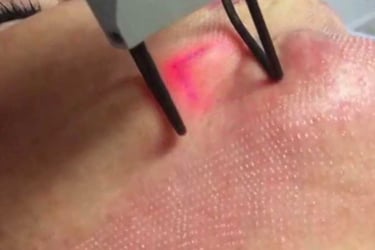
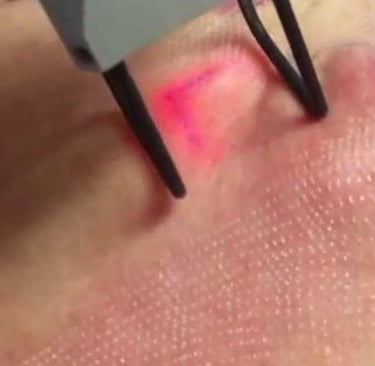
It uses infrared light to precisely vaporize damaged outer layers of skin, stimulating the body's natural healing process to produce new, healthier collagen and tissue, effectively reducing wrinkles, scars (like acne scars), sun damage, and uneven texture for smoother, more youthful-looking skin. It works by targeting water in the skin and creating controlled micro-injuries that promote regeneration.
Types of CO2 Laser
Treats only a fraction of the skin at a time, leaving untouched areas for quicker healing and less downtime.
Removes the entire outer layer of skin for more dramatic results but requires a longer recovery.
Common Uses
Skin Resurfacing: Reduces fine lines, deep wrinkles, and rough texture.
Scarring: Improves appearance of acne scars, surgical scars, and keloids.
Sun Damage: Treats sunspots, age spots, and uneven pigmentation.
Skin Tightening: Addresses mild skin laxity, particularly around the eyes (blepharoplasty).
Other Conditions: Warts, skin tags, and certain growths.
Considerations
Recovery: Involves redness, peeling, and potentially swelling, with downtime varying by laser type.
Sun Protection: Essential for long-term results and to prevent complications.
Safety: Performed by experienced professionals due to its power, requiring protective eyewear for all present.
Less Common Risks
Infection: Bacterial, viral (herpes), or fungal infections can occur as the skin barrier is disrupted.
Pigmentation Changes: Darkening (hyperpigmentation) or lightening (hypopigmentation) is more common in darker skin; can be temporary or permanent.
Scarring: Rare but possible, especially with aggressive treatment or poor healing.
Burns: Can happen with incorrect settings or photosensitivity.
Ectropion: Over-tightening of lower eyelids (eyelid treatments only).
Experienced Provider: Reduces technical errors.
Sun Protection: Essential before and after treatment (sunscreen, avoiding sun).
Aftercare: Follow instructions for cleansing, moisturizing, and bandages.
Medications: Antivirals (for cold sores) and antibiotics can be prescribed.
Test Patch: A small test area helps predict skin reaction.
Who's at Higher Risk?
Individuals with darker skin tones (higher risk for pigmentation changes), People prone to scarring, and Smokers (impaired healing).
Recommended to start with fractionated CO2 laser on light settings to see how the skin responds and patch test.
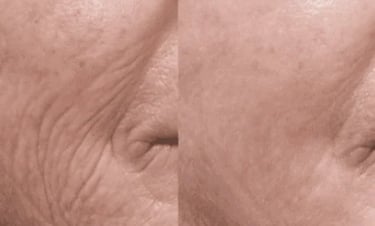
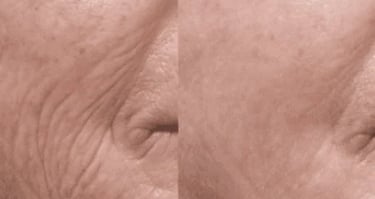
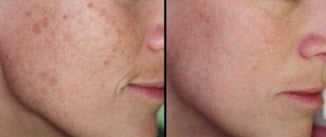
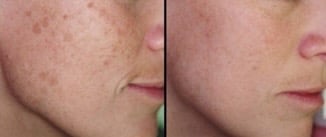
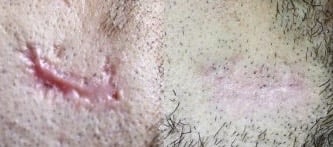
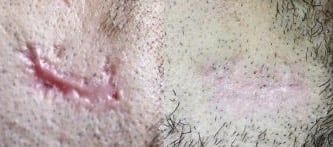
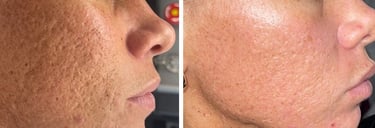
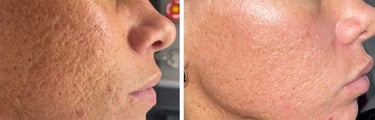
Before and After
Minimised appearance of wrinkles, sunspots, acne and scars
Brand
Social media links coming soon...
Contact
Newsletter
21stcbeauty@gmail.com
123-123-1234
© 2024. All rights reserved.